




When you buy peptides for research purposes, one of the most common forms you will encounter is the lyophilized, or freeze-dried, version. Lyophilized peptides are the standard for most scientific suppliers because they are more stable, easier to store, and have a longer shelf life than peptides in solution. However, for those new to peptide research, the appearance and handling of these vials can sometimes be confusing.
What Are Lyophilized Peptides?
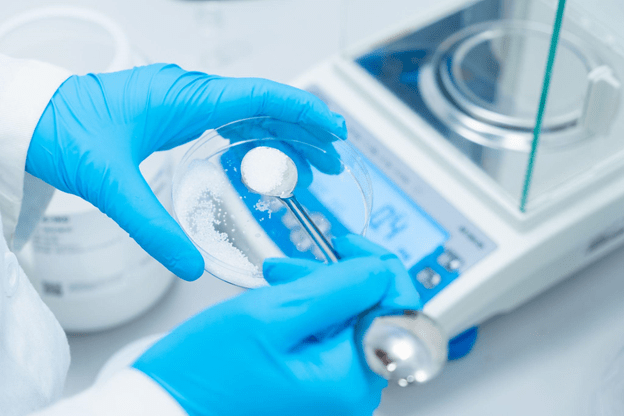
Lyophilized peptides are peptides that have been freeze-dried into a solid powder. This process involves removing the solvent (usually water) from a peptide solution under very low temperature and pressure conditions. The goal is to transform the peptide into a dry, stable state without damaging its structure or biological activity.
In the freeze-drying process, the peptide is first frozen and then subjected to a vacuum that allows the ice to sublimate directly into vapor. This leaves behind a dry, fluffy, or crystalline material that can be stored for long periods without significant degradation. Lyophilization is especially useful for peptides that are sensitive to moisture, temperature, or microbial growth.
Why Lyophilized Peptides Are the Industry Standard
When you buy peptide vials for research, they almost always come lyophilized because this method offers several important benefits:
- Extended Shelf Life: In their dry state, peptides are much less prone to hydrolysis, oxidation, and other degradation processes. This makes lyophilized peptides ideal for long-term storage.
- Improved Stability: Lyophilized peptides are more stable during shipping and handling. Since moisture is removed, they can tolerate temperature fluctuations that might damage peptides in liquid form.
- Easier Transport: A lyophilized peptide can be shipped without refrigeration in many cases, provided it is stored in a cool, dry environment.
- Flexible Reconstitution: Researchers can reconstitute the peptide using a solvent of their choice, such as sterile water or another buffer, depending on experimental requirements.
These advantages make lyophilized peptides the most practical format for research laboratories around the world.
What to Expect When You Buy Lyophilized Peptide Vials
When you purchase peptides for research, you will typically receive a small glass vial containing a fine white or off-white powder. The amount inside might appear very small, which can surprise first-time buyers. However, the visible volume of the powder does not necessarily reflect the actual weight or potency. Some peptides have very low molecular weights, meaning even a few milligrams can appear as only a trace of powder.
Each vial should include a clear label indicating:
- The peptide name and sequence
- The quantity (usually in milligrams)
- The batch or lot number
- The purity percentage
- The storage instructions
A reputable supplier will also provide a Certificate of Analysis (COA) confirming the peptide’s identity and purity. Always check this documentation to ensure that the product meets your laboratory’s research standards.
Reconstituting Lyophilized Peptides for Research
Once you have received your lyophilized peptide, you may need to reconstitute it before beginning your experiments. Reconstitution is the process of dissolving the peptide powder back into a liquid solution using a suitable solvent.
Here are the general steps for reconstituting a peptide:
- Determine the Required Concentration:
Review your research protocol to determine the desired final concentration. This will help you calculate how much solvent to add. - Select the Appropriate Solvent:
Common solvents for peptide research include sterile water, acetic acid, or buffer solutions such as phosphate-buffered saline (PBS). The choice depends on the peptide’s solubility characteristics, which are often provided by the supplier. - Add Solvent Carefully:
Slowly add the solvent to the vial, allowing it to run down the inside wall to minimize foaming or mechanical agitation. - Avoid Vigorous Shaking:
Gently swirl or rotate the vial to help the powder dissolve. Avoid shaking vigorously, as this can damage delicate peptide bonds. - Store Reconstituted Peptides Properly:
Once dissolved, the peptide solution should be used promptly or stored under the conditions recommended by the supplier, usually in a freezer at -20°C or -80°C.
It is important to note that peptides are highly sensitive to environmental factors once reconstituted, so the solution should not be repeatedly thawed and refrozen. Aliquoting into smaller portions is a common way to preserve stability and prevent degradation over time.
How to Store Lyophilized Peptides
Proper storage is essential to maintaining peptide quality. While lyophilized peptides are more stable than liquid forms, they are still susceptible to degradation if exposed to heat, light, or moisture.
To ensure long-term integrity, follow these best practices:
- Keep Vials Tightly Sealed: Always close the vial immediately after use to prevent exposure to air and humidity.
- Store in a Cool, Dry Place: A temperature-controlled environment such as a freezer is best. Many researchers store lyophilized peptides at -20°C.
- Avoid Frequent Temperature Changes: Repeated thawing and refreezing can cause condensation inside the vial, introducing unwanted moisture.
- Protect from Light: Some peptides are light-sensitive, so keeping them in opaque containers or wrapping them in foil can help prevent photo-degradation.
When properly stored, lyophilized peptides can remain stable for months or even years, depending on their composition and purity.
Understanding Peptide Purity and Quality
When you buy peptide vials for scientific research, purity is one of the most important factors to consider. Most reputable suppliers provide peptides that are at least 99% pure, verified by high-performance liquid chromatography (HPLC) and mass spectrometry (MS) analysis.
A lower purity peptide might still be useful for certain studies, but impurities can affect results, especially in sensitive experiments. Therefore, always check the supplier’s analytical data and confirm that the peptide meets your required specifications.
Additionally, the peptide’s amino acid sequence and synthesis method can influence its behavior. Some sequences are hydrophobic and difficult to dissolve, while others are highly water-soluble. Understanding these characteristics before reconstitution can save time and help prevent solubility issues during experiments.
Why Buying from a Trusted Supplier Matters
Not all peptide suppliers offer the same level of quality control. When you buy peptides for research, it is essential to choose a company that specializes in producing high-purity products for laboratory use only.
Look for suppliers that:
- Provide Certificates of Analysis for every product
- Offer transparent information about synthesis and purification methods
- Maintain cleanroom environments for manufacturing
- Test for contaminants and verify molecular weight accuracy
- Clearly state that their products are for research use only, not for human or veterinary use
Working with a reliable supplier ensures consistency, reproducibility, and safety in your research environment.
When you buy peptide vials for research, understanding lyophilization is key to handling and storing your materials correctly. Lyophilized peptides offer extended stability, longer shelf life, and the flexibility to prepare custom concentrations for experimental use. By selecting a trustworthy supplier, following best practices for reconstitution, and adhering to proper storage conditions, researchers can maintain the integrity of their peptides and ensure dependable results.
Disclaimer: All products on this site are for Research, Development use only. Products are Not for Human use of any kind. The statements made within this website have not been evaluated by the US Food and Drug Administration. The statements and the products of this company are not intended to diagnose, treat, cure or prevent any disease.
