
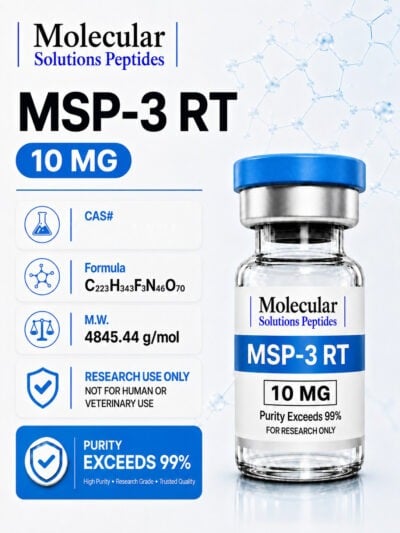
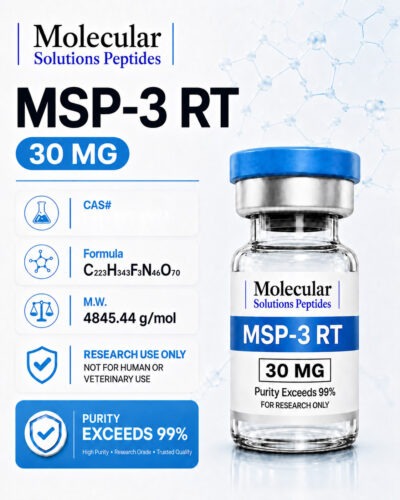
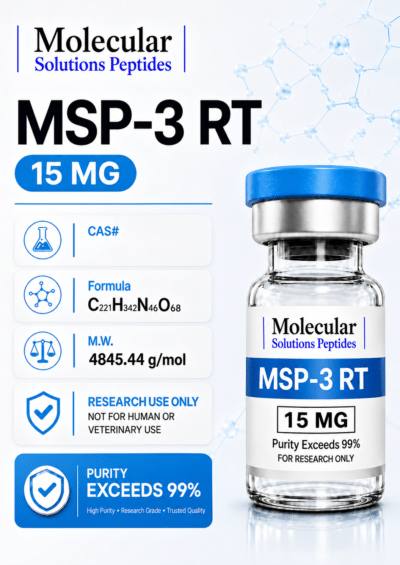
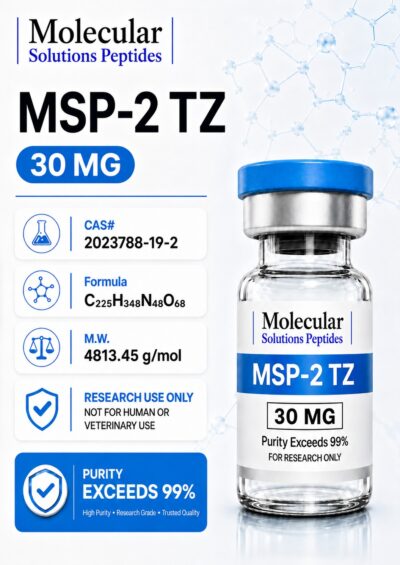
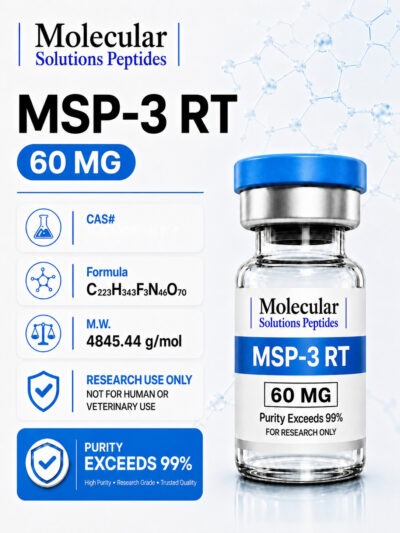
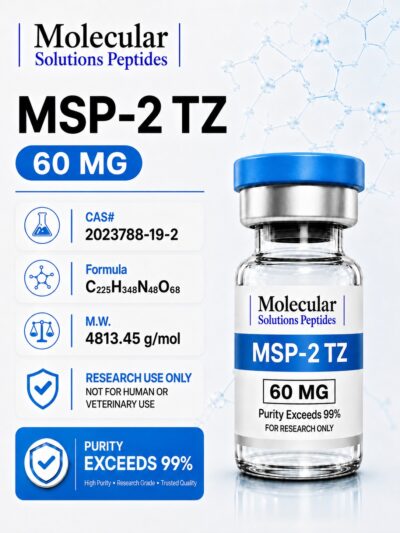
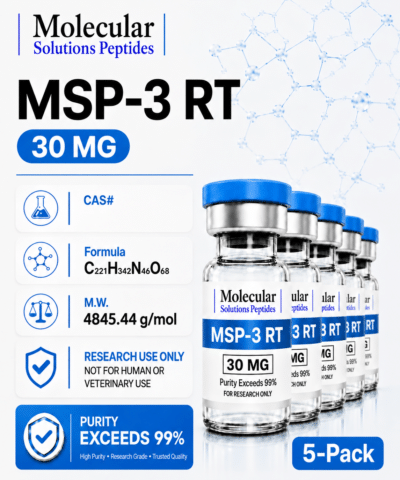
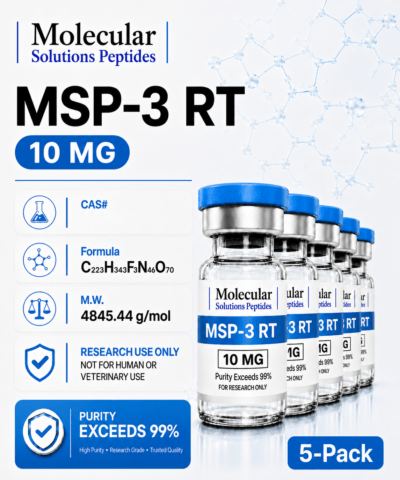
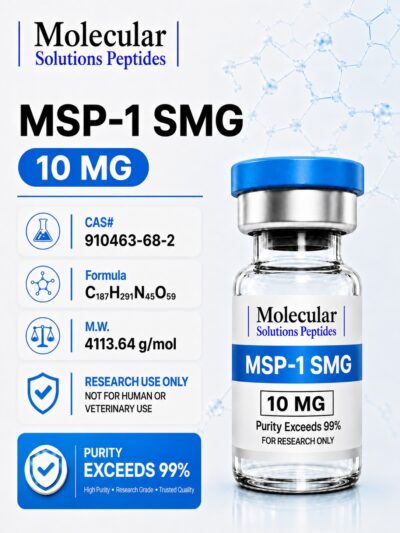
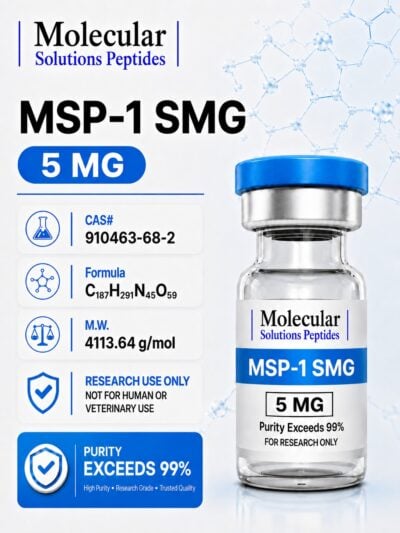
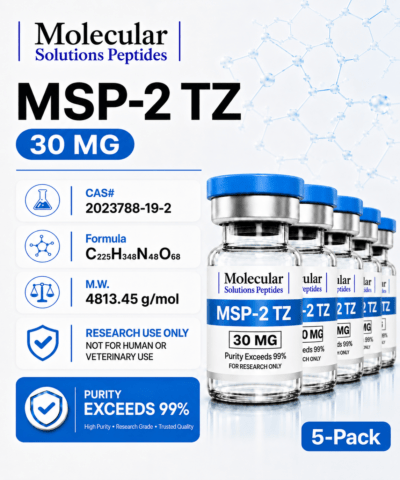
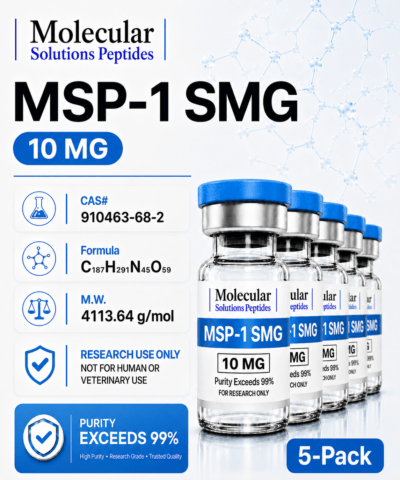
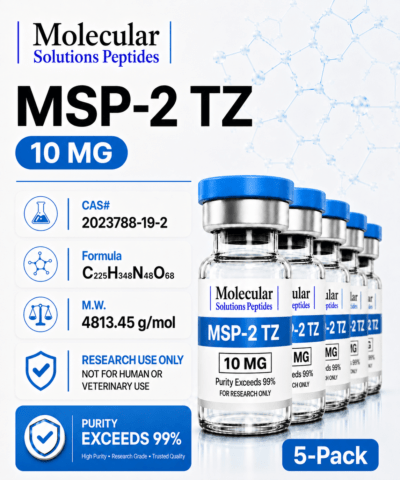
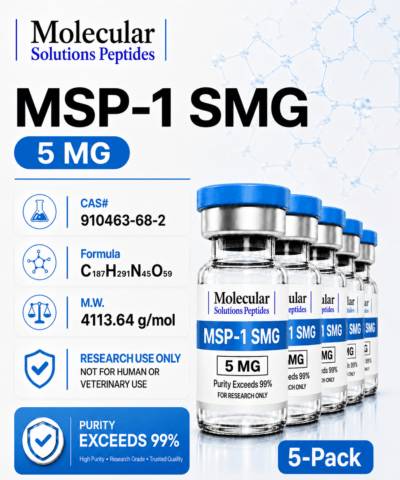
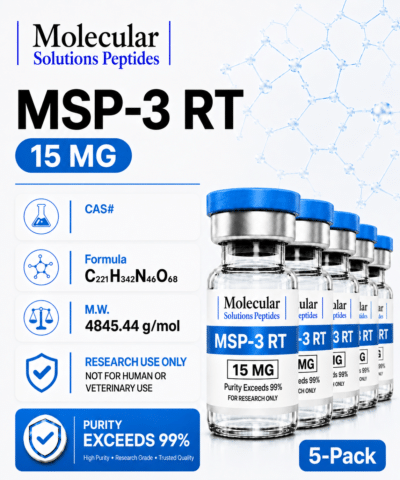
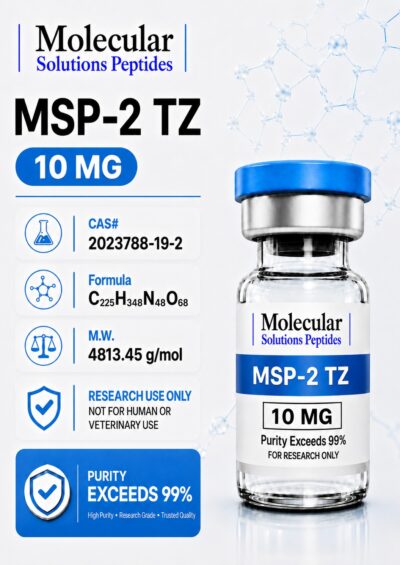
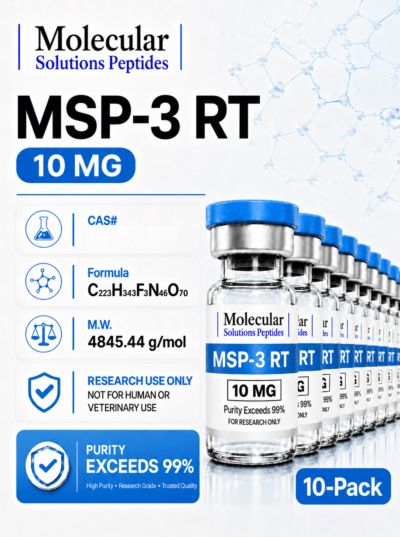
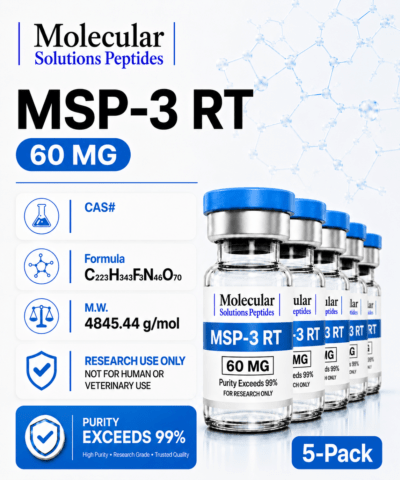


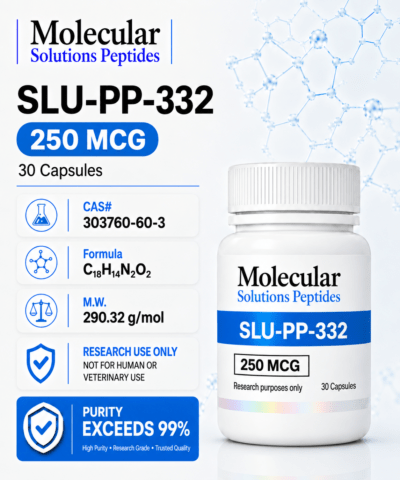
SLU-PP-332 - 250mcg (443.6mcg) x (30 Capsules)

TB-500/Thymosin Beta-4 (10mg) (43aa & Frag 17-23)

TB-500 Fragment (17–23) – 10mg
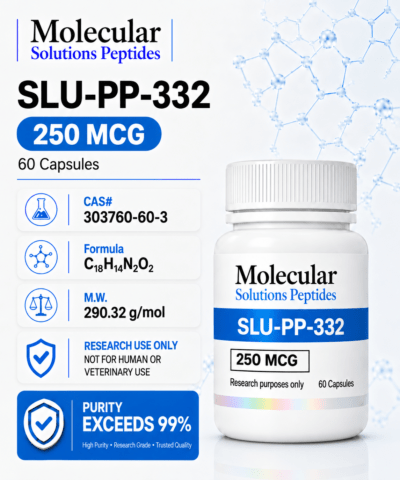
SLU-PP-332 - 250mcg (443.6mcg) x (60 Capsules)
Frequently Asked Questions
What Are Research Peptides And How Are They Studied In Laboratory Settings?
Research peptides are synthetically produced compounds used as tools in controlled laboratory investigations. Depending on the compound, researchers may examine characteristics such as molecular structure or other measurable properties described in scientific literature. Because each peptide has its own sequence, research history, and analytical profile, it is important to evaluate individual compounds according to the requirements of the planned study:
Controlled Laboratory Research
Research peptides are commonly examined under controlled conditions where variables can be measured, compared, and documented. Laboratory studies may focus on physicochemical properties, molecular interactions, assay performance, or other defined experimental endpoints. At MSP, we supply these materials strictly for research-use-only applications, with product information intended to help qualified researchers identify the appropriate compound and format for their work.
Compound-Specific Research Context
The research context can vary significantly from one compound to another. Materials such as BPC-157, 5-Amino-1MQ, AOD-9604, ARA-290, and other compounds in our catalog have been investigated in different laboratory and research settings. Researchers should review the available literature, compound identity, analytical documentation, and study design requirements before selecting a material, rather than assuming that compounds within the same broader category are interchangeable. Related research categories, including Bioregulators, should also be evaluated according to their own specifications and documented research context.
All products listed on Molecular Solutions Peptides are sold exclusively for research and laboratory use. Products are not intended for human consumption or for use as cosmetics, food additives, chemicals, drugs, or any application outside stated research use.
Research-Use-Only Boundaries
Our peptide materials are intended only for legitimate laboratory investigation and related research activities. Researchers are responsible for following appropriate handling, storage, disposal, institutional, and regulatory requirements applicable to their work. MSP does not provide guidance for personal, clinical, diagnostic, or therapeutic applications. For additional details on purchasing eligibility and permitted use, researchers should review our RUO Policy before placing an order.
How Does MSP Test And Verify Research-Grade Peptide Quality?
Research-grade quality depends on more than a stated purity percentage. Researchers need clear analytical evidence that a material matches its listed identity, quantity, and expected specifications before incorporating it into laboratory work. At MSP, our quality process centers on independent third-party testing, batch-level verification, and transparent documentation so researchers can review the information behind each material:
Independent Third-Party Testing
Every batch is sent to an independent third-party laboratory for evaluation rather than relying solely on internal supplier claims. Testing may include purity, quantification, sterility, and identity verification, depending on the material and analytical requirements. This independent process gives researchers an additional layer of documentation when assessing whether a compound is appropriate for their planned laboratory work and helps support consistency across small-batch production.
Analytical Identity And Purity
Purity data is most useful when it is paired with identity confirmation and appropriate analytical methods. MSP targets 99%+ purity, with a goal of greater than 99.5%, while also using analytical verification to confirm that tested samples correspond to their stated compound identity. Researchers should consider these results alongside their own study requirements, internal quality controls, and the specific characteristics of the material being evaluated.
Researchers may also want to compare how analytical results are presented across suppliers. A clear report should make it easier to distinguish purity data from identity confirmation and other quality checks rather than combining them into a single unsupported claim. We believe that level of separation is important because each measurement answers a different question about the material being evaluated and gives laboratories more useful information for internal review.
Batch-Level Documentation
Batch-specific documentation helps researchers evaluate the actual material being sourced rather than relying on a general quality statement applied across an entire catalog. Where available, Certificates of Analysis and related test results provide supporting information on the tested batch and its analytical profile. Researchers comparing sourcing standards can also review our guide to Best Research Peptides for Laboratory Use for additional context on analytical documentation, purity verification, and supplier transparency.
What Product Formats Are Available For Peptides for Research?
The MSP catalog includes several product formats designed to support different laboratory purchasing and research requirements. Researchers may need a single compound, multiple units of the same material, or a format that aligns with a specific experimental setup or inventory plan. Because format can affect how a material is cataloged, stored, and incorporated into laboratory workflows, each option should be evaluated according to the needs of the study:
Individual Research Compounds
Individual research compounds make up the core of the peptide collection and are listed by compound name, format, and stated quantity. This allows researchers to select materials according to the specific scope of a planned experiment rather than purchasing more inventory than necessary. When comparing individual products, researchers should review the exact compound identity, listed amount, available documentation, and any relevant analytical information before adding the material to a laboratory workflow.
5 And 10 Pack Options
Selected research compounds are also available in 5 and 10 Pack configurations for laboratories that require multiple units of the same listed material. These options can simplify procurement for projects that involve repeated analytical runs, multiple assay conditions, or extended study schedules. Researchers should still verify the quantity per unit, compound identity, batch information, and supporting documentation, since purchasing a multi-pack does not replace the need for the same quality review applied to individual products.
Capsules And Related Research Categories
MSP also maintains a dedicated Peptide Capsules collection, along with separate categories for Bioregulators, Blends, Spray Kits, and other research formats available across the catalog. These categories give researchers a clearer way to compare materials by presentation and research context while keeping product types organized by use within laboratory workflows. Each format remains subject to the same research-use-only restrictions, and researchers should review the specific product listing, analytical documentation, and stated specifications before selecting a material.
How Should Researchers Evaluate Purity, Identity, And Sourcing Before Ordering?
Selecting a peptide for laboratory work requires more than comparing product names or listed quantities. Researchers should review how purity is measured, how compound identity is confirmed, and whether the supplier provides enough documentation to support an informed purchasing decision. A transparent sourcing process makes it easier to assess whether a material aligns with the analytical standards and controls required for the planned research:
Purity Beyond A Single Percentage
A purity percentage is most useful when researchers can see how that figure was established. Analytical methods such as HPLC can provide data on the relative purity of a sample, but the percentage should be considered alongside identity verification, quantification, and batch-specific documentation. At MSP, we target 99%+ purity with a goal of greater than 99.5%, while also emphasizing independent testing so researchers can evaluate more than a standalone number.
Compound Identity Verification
Identity testing helps confirm that the material evaluated corresponds to the compound listed on the product page. This is especially important in a catalog that includes individual peptides, fragments, salts, blends, and other related research materials that may have similar names but distinct analytical characteristics. Researchers should review identity data together with the listed compound name, format, and quantity to reduce ambiguity when selecting materials for controlled laboratory studies.
Supplier Transparency And Documentation
Researchers should also evaluate how clearly a supplier communicates its testing standards, product specifications, research-use restrictions, and store policies. Reliable sourcing depends on access to information that can be reviewed before purchase, not vague quality claims alone. MSP keeps testing information, Certificates of Analysis where available, fulfillment policies, and RUO terms accessible so researchers can assess the material and the supplier process as part of their own procurement review.
Researchers should also consider whether product information remains consistent across the collection page, individual product listings, Certificates of Analysis, and published store policies. Consistency across these sources can make procurement review more efficient and reduce uncertainty when comparing materials. Clear documentation is especially valuable when several related compounds or formats are available and the laboratory needs to distinguish between them before ordering.
What Should Researchers Look For When Choosing A Research Peptide Supplier?
Choosing a research peptide supplier involves evaluating more than product availability. Researchers should look for clear quality standards, transparent research-use policies, dependable documentation, and support that understands the needs of laboratory customers. A supplier should make it straightforward to verify how materials are tested, how orders are handled, and what information is available before a purchasing decision is made:
Consistent Small-Batch Quality Standards
A reliable supplier should apply quality controls consistently across its catalog rather thanrelying on occasional or selective testing. MSP works with small-batch research materials and sends batches for independent third-party evaluation that may include purity, quantification, sterility, and identity verification. This approach gives researchers batch-specific information that can support procurement review and helps maintain a more controlled standard across products intended for laboratory research.
Clear Research-Use Policies
Research-use restrictions should be visible, specific, and easy to review before ordering. MSP clearly states that its products are supplied strictly for laboratory research, and our RUO Policy outlines purchasing eligibility, handling expectations, and prohibited applications. Clear policy language helps qualified researchers understand the scope of the products being supplied and confirms that the catalog is structured around legitimate research use rather than general consumer applications.
Responsive Research Customer Support
Customer support is also important when researchers need clarification about product documentation, order status, Certificates of Analysis, shipping, or store policies. MSP provides support for legitimate research and purchasing questions while maintaining firm boundaries around clinical, personal-use, or therapeutic guidance. That distinction helps keep communication focused on the information researchers actually need to evaluate and manage research materials within an appropriate laboratory setting.
What Should Researchers Know About Ordering And Fulfillment From MSP?
Ordering research materials requires attention to account eligibility, processing timelines, shipping options, and receiving procedures. Researchers should understand these details before placing an order so procurement can be coordinated with laboratory schedules and internal controls. MSP keeps its ordering and fulfillment policies visible so qualified research customers can review requirements, shipping expectations, and support options in advance:
Qualified Research Account Requirements
MSP limits purchasing access to customers who meet its research-use requirements and acknowledge the applicable RUO terms. Account holders must confirm that they are at least 21 years old, understand the hazards associated with handling research materials, and will comply with applicable laws and laboratory safety practices. These requirements help keep access aligned with qualified research customers and reinforce that all products are supplied strictly for laboratory and research purposes.
Processing And Domestic Shipping
Most orders are processed promptly through MSP’s domestic fulfillment system, with same-day shipping available for many orders placed before the published cutoff. Processing and delivery timelines can still vary based on order details, payment confirmation, carrier conditions, and destination. Researchers should review the current Shipping and Fulfillment Policy before ordering so they can account for expected processing windows and select an appropriate shipping option for their laboratory schedule.
Receiving, Documentation, And Order Support
Once materials arrive, researchers should verify the shipment against the order details and follow their laboratory’s procedures for receiving, storage, inventory control, and documentation. If an order arrives with missing, incorrect, or damaged items, MSP provides customer support for resolving fulfillment concerns within the applicable reporting window. Researchers can also contact support regarding order status, available Certificates of Analysis, or other documentation needed for legitimate laboratory procurement and recordkeeping.
For planned studies, it can also be useful to coordinate ordering timelines with internal receiving procedures, inventory controls, and project schedules. Researchers should allow for normal carrier variability and verify that the laboratory is prepared to receive and document incoming materials appropriately. Reviewing fulfillment terms before purchase helps set realistic expectations and supports a more organized procurement process from order placement through receipt.
All products listed on Molecular Solutions Peptides are sold exclusively for research and laboratory use. Products are not intended for human consumption or for use as cosmetics, food additives, chemicals, drugs, or any application outside stated research use.
Disclaimer: All products sold by Molecular Solutions Peptides are intended strictly for laboratory research use only (RUO), not for human consumption, diagnostic use, or therapeutic use. These compounds have not been evaluated or approved by the FDA for any purpose. See our RUO Policy for full terms.