
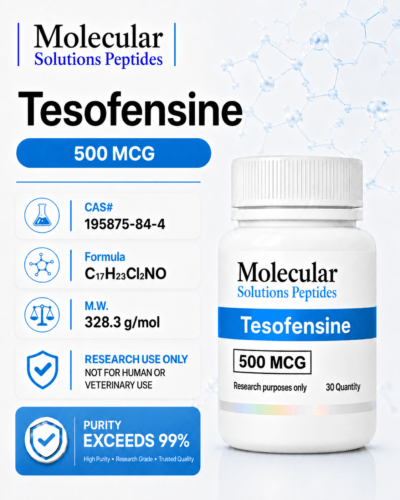
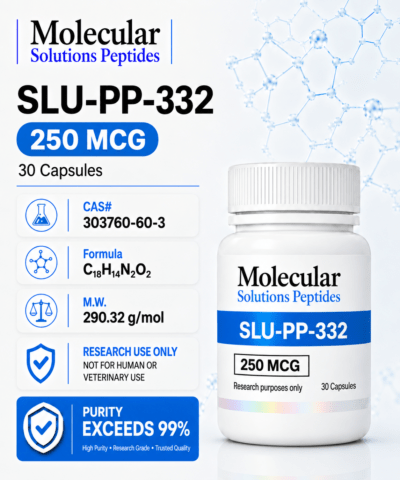
SLU-PP-332 - 250mcg (443.6mcg) x (30 Capsules)
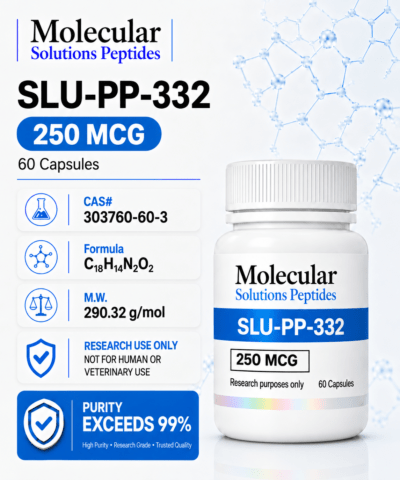
SLU-PP-332 - 250mcg (443.6mcg) x (60 Capsules)
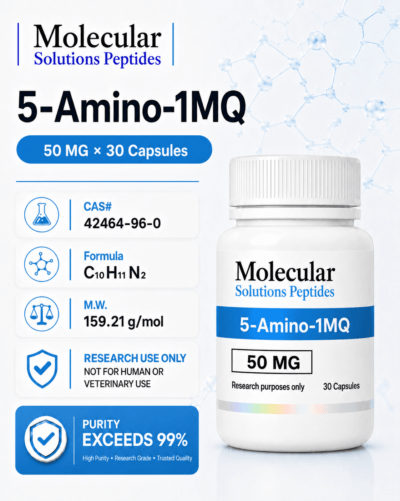
5-Amino-1MQ - 50mg x (30 Capsules)
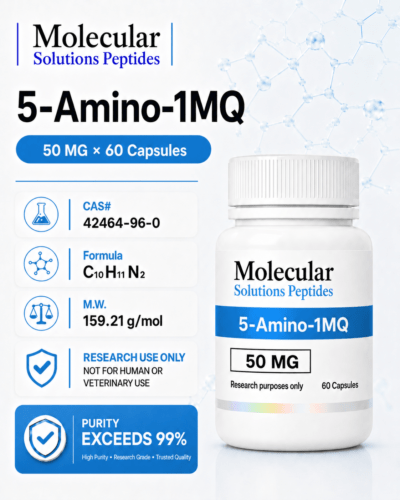
5-Amino-1MQ - 50mg x (60 Capsules)
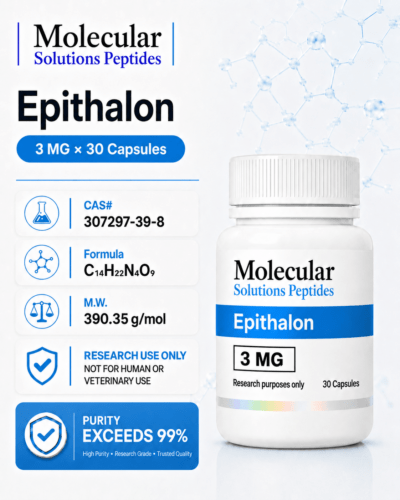
Epithalon 3mg x (30 Capsules)
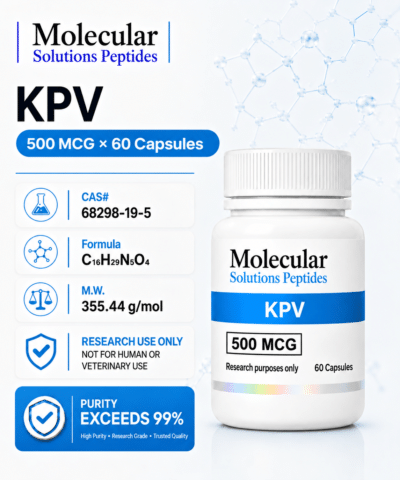
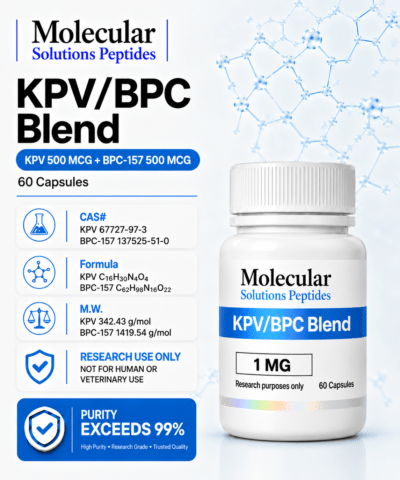
KPV - 500mcg x (60 Capsules)
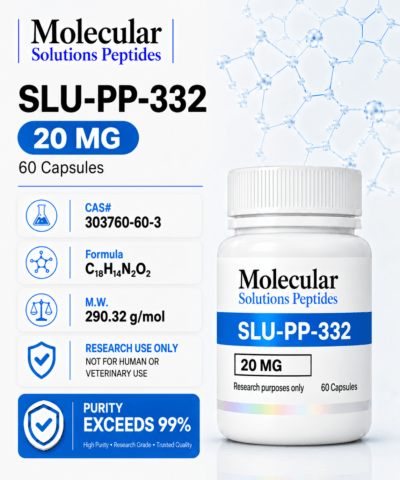
SLU-PP-332 - 20MG x (60 Capsules)
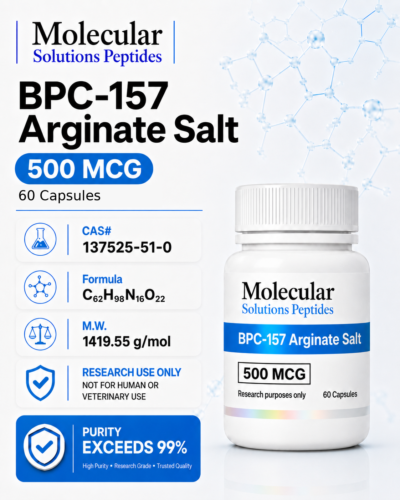
BPC-157 Arginate Salt - 500mcg x (60 Capsules)
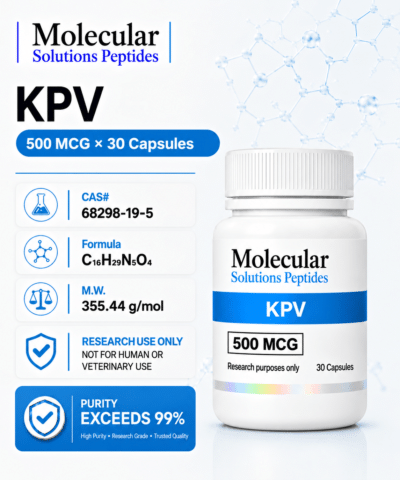
KPV - 500mcg x (30 Capsules)
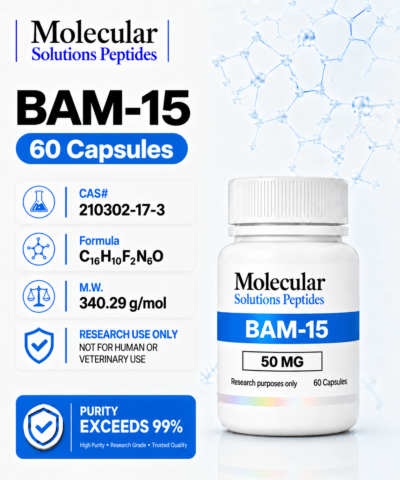
BAM-15 50mg (60 Capsules)
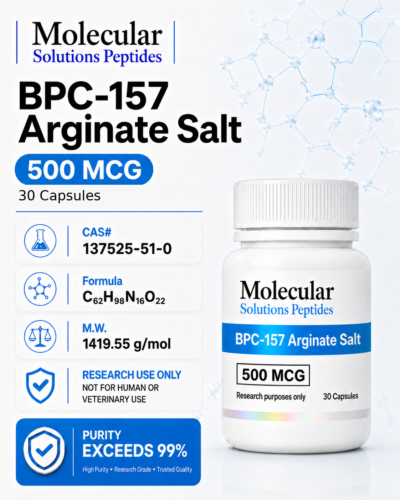
BPC-157 Arginate Salt - 500mcg x (30 Capsules)
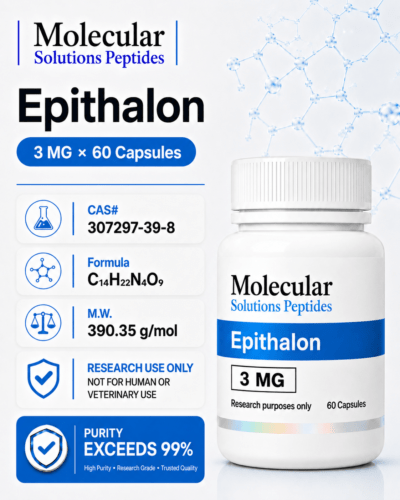
Epithalon 3mg x (60 Capsules)
Frequently Asked Questions
What Are Peptide Capsules Used For In Laboratory Research?
Peptide capsules provide qualified researchers with an encapsulated format for handling selected research compounds in controlled laboratory settings. Within the Molecular Solutions Peptides catalog, this format sits alongside other research materials designed for compound-specific investigation, comparative study, and laboratory evaluation. Because different compounds may vary in composition, listed specifications, and research context, it is useful to understand how capsule-based materials fit within a broader research workflow:
Encapsulated Research Material Formats
Capsule-based research materials offer a standardized physical format that can make catalog identification, storage organization, and material handling more straightforward in appropriate laboratory environments. At MSP, capsule products are presented with clearly identified compound names, listed quantities, and product-specific specifications so researchers can evaluate each item before ordering. Researchers comparing peptide capsules should review the individual product page carefully, since composition and configuration can differ across the collection. Related compounds in other formats can also be reviewed through our Research Peptides catalog.
Individual Compounds And Research Categories
The capsule collection includes a range of individual compounds that have been investigated in laboratory, analytical, or research contexts. These materials are not interchangeable, and each compound should be evaluated according to its identity, supporting documentation, available specifications, and the needs of the intended research design. Some listings focus on a single research compound, while others may feature combined materials or different capsule counts. This variety allows qualified researchers to compare formats while maintaining clear separation between distinct compound categories and study objectives.
Compound-Specific Research Contexts
Research literature may examine different compounds for different biochemical, molecular, or experimental questions, which is why compound-specific sourcing information matters. Researchers should rely on relevant literature, validated laboratory methods, and institutional protocols when determining whether a material is appropriate for a particular research project. MSP supports that evaluation by keeping product identity, testing information, and research-use restrictions visible across the catalog rather than presenting capsule materials as general-purpose products.
All products listed on Molecular Solutions Peptides are sold exclusively for research and laboratory use.
How Should Researchers Compare Research Peptide Capsules Before Selecting A Product?
Research peptide capsules should be compared using objective product information rather than broad assumptions about format or compound category. A qualified researcher will typically look at the listed compound identity, capsule configuration, available documentation, and whether the product fits the intended laboratory protocol. Because MSP offers multiple capsule-based materials with different specifications, a careful comparison should focus on measurable product details and research relevance:
Compound Identity And Listed Specifications
The first comparison point is the exact compound listed on the product page. Researchers should verify naming, formulation details, molecular information where provided, and any product-specific specifications before placing an order. Different compounds may be investigated for very different biochemical or analytical questions, so a familiar capsule format does not make two products equivalent. Reviewing the full listing helps ensure that the selected material matches the compound identity and documentation required for the planned laboratory work.
Capsule Count And Material Configuration
Capsule count and material configuration can also affect how researchers compare products within the collection. Some MSP listings are available in different count options, while others are offered only in a single configuration. These distinctions are useful for planning procurement, inventory management, and study organization without changing the research-use-only status of the material. Researchers should confirm the exact configuration shown on the listing and avoid assuming that similarly named products contain the same quantity, concentration, or formulation.
Individual Compounds Compared With Blended Formulations
The collection includes both single-compound materials and blended formulations, which should be evaluated differently. A single-compound product may be better suited to research designs that require one clearly defined material, while a blend contains multiple listed components that must be considered together when reviewing experimental objectives and analytical methods. In either case, researchers should examine the ingredient listing, supporting documentation, and batch-specific information before purchase so the selected product aligns with the intended research framework.
What Capsule-Based Compounds Are Available From Molecular Solutions Peptides?
MSP’s capsule collection includes individual compounds and selected blends intended strictly for qualified laboratory and research use. The range gives researchers access to different compound identities, capsule counts, and formulation types while keeping product-specific information visible at the point of selection. Because each material has its own research context and specifications, researchers should review the individual listing and supporting documentation before choosing a product:
BPC-157 Arginate Salt Capsules
MSP offers BPC-157 Capsules in an encapsulated research format for laboratory investigation. BPC-157 is commonly examined through compound-specific experimental models rather than treated as a general-purpose material. Researchers evaluating this product should review the listed formulation, capsule count, batch details, and available analytical information to determine whether the material aligns with the design and documentation requirements of their study.
GHK-Cu And Epithalon Capsules
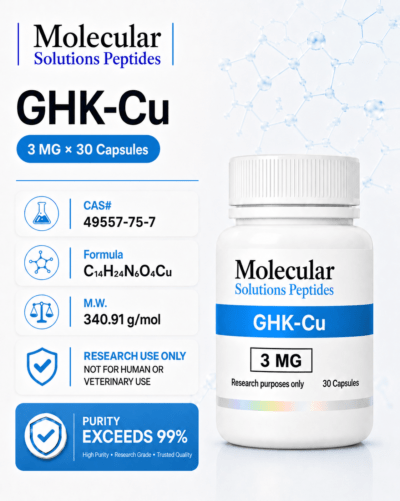
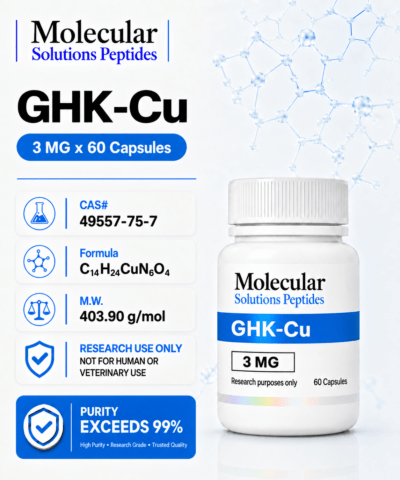
The collection also includes capsule-based materials associated with compounds such as GHK-Cu and Epithalon, both of which have been investigated in research contexts involving distinct molecular and biochemical questions. These compounds should not be grouped together simply because they share the same physical format. Researchers should compare the exact compound identity, listed specifications, and batch information for each product while consulting relevant research literature and approved laboratory protocols for the intended experimental framework.
Additional Compounds And Capsule Blends
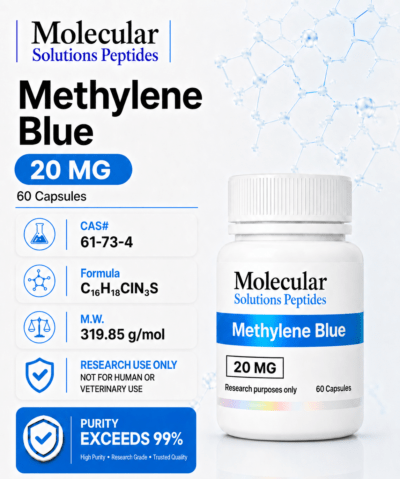
Beyond these examples, the collection includes additional research materials such as KPV, 5-Amino-1MQ, SLU-PP-332, BAM-15, Methylene Blue, MK-677, Tesofensine, and selected blended formulations. Each listing should be reviewed on its own terms, especially where multiple components are present. Product names, material configuration, capsule count, and analytical documentation provide the clearest basis for comparison when researchers are selecting among distinct compounds or deciding whether a single-compound or blended material better fits a defined laboratory study.
All products listed on Molecular Solutions Peptides are sold exclusively for research and laboratory use.
How Does MSP Verify The Quality And Purity Of Capsule Research Materials?
Quality verification is a central part of evaluating capsule-based research materials, especially when researchers need consistent documentation across different compounds and batches. At Molecular Solutions Peptides, we use independent third-party testing to provide additional verification beyond the product label alone. Our quality process focuses on measurable characteristics that help researchers assess whether a material meets the specifications required for controlled laboratory work:
Independent Third-Party Laboratory Testing
Each batch is sent to an independent third-party laboratory for analytical review rather than relying only on internal evaluation. This outside testing supports a more transparent approach to research material verification and gives researchers another reference point when reviewing product quality. Depending on the material and testing scope, the process may include checks related to purity, identity, quantification, and sterility. We keep this testing approach central to our quality standards so researchers can make purchasing decisions based on documented information.
Purity, Identity, And Quantification Checks
Purity is only one part of evaluating a research compound, which is why identity and quantification also matter. MSP targets 99%+ purity, with a goal of greater than 99.5%, while using analytical testing to confirm that the material corresponds with its stated identity and listed specifications. Researchers reviewing a capsule product should consider these measurements together rather than relying on a single number. For compound-specific information, our GHK-Cu Peptide collection provides an additional example of how research materials are organized around clear product identity and supporting specifications.
Batch-Level Documentation And Transparency
Batch-specific documentation helps researchers distinguish one production lot from another and supports more careful recordkeeping during procurement and laboratory planning. We work in small batches so testing, product identification, and inventory can remain closely aligned throughout the fulfillment process. Researchers should review the available batch details and analytical documentation associated with the exact material they are ordering, especially when reproducibility and traceability are important considerations within an established research protocol.
What Should Researchers Look For When Sourcing Peptide Capsules?
Sourcing peptide capsules requires more than comparing product names or listed purity percentages. Researchers should evaluate whether a supplier provides clear compound specifications, traceable testing information, and policies that consistently reflect research-use-only distribution. A reliable sourcing decision is built on documentation that can be reviewed before purchase, along with enough transparency to distinguish one research material, formulation, and batch from another:
Transparent Compound Specifications
A strong product listing should make it easy to verify exactly what material is being offered. Researchers should look for clear compound naming, formulation details, capsule count, molecular information where applicable, and any other specifications relevant to laboratory identification. These details help reduce ambiguity when comparing similar listings across suppliers. Compound-specific pages, such as MSP’s Epithalon Peptide collection, also give researchers a more focused way to review available research materials and supporting product information.
Traceable Testing And Batch Information
Testing information is most useful when it can be connected to a specific batch rather than presented as a general quality statement. Researchers should look for current analytical documentation, clear batch identification, and third-party verification that supports the listed material specifications. Small-batch production can make this process easier to manage by keeping inventory, testing records, and product identification closely linked. Traceability also supports more accurate procurement records when research teams need to document the source and analytical status of materials used in laboratory work.
Clear Research-Use Policies And Supplier Standards
Supplier policies should be as visible as the product specifications themselves. Researchers should confirm that the seller clearly defines research-use-only restrictions, purchasing eligibility, shipping terms, and expectations for handling laboratory materials. MSP limits its products to customers who are at least 21 years old and who understand the hazards associated with research compounds. Clear policies reduce uncertainty before ordering and help ensure that product access, fulfillment, and customer support remain aligned with appropriate laboratory research use.
What Should Researchers Know About Ordering And Fulfillment From MSP?
Ordering research materials should involve clear eligibility requirements, transparent fulfillment terms, and access to accurate order information from purchase through delivery. At Molecular Solutions Peptides, our policies are designed to keep research-use restrictions visible while providing qualified customers with a straightforward domestic ordering process. Before placing an order, researchers should review product details, shipping terms, and applicable laboratory requirements so procurement aligns with their institution or research protocol:
Research-Use Account Requirements
MSP products are offered strictly for laboratory research purposes and are not intended for applications outside stated research use. Customers must be at least 21 years old and understand the responsibilities and potential hazards associated with handling research materials. Before purchasing, researchers should confirm that the selected compound is appropriate for their planned laboratory work and that their organization permits its acquisition, storage, handling, and disposal under applicable institutional procedures and regulatory requirements.
Domestic Processing And Shipping Options
Our domestic fulfillment process is structured to help researchers plan procurement with clear shipping expectations. Most qualifying orders are prepared promptly, with available carrier and service options displayed during checkout based on the destination and order details. Researchers should review current shipping terms before purchase because processing schedules, cutoff times, carrier availability, and delivery estimates can vary. Accurate contact and shipping information also helps reduce avoidable delays when laboratory materials are moving through the fulfillment process.
Tracking, Order Accuracy, And Customer Support
Clear communication matters after an order is placed, especially when research teams are coordinating inventory and project timelines. Order tracking and shipment information allow researchers to monitor fulfillment progress, while accessible customer support provides a point of contact for questions involving order status, product listings, or store policies. We encourage researchers to review order details carefully before submission and contact MSP when clarification is needed, rather than making assumptions about a compound, configuration, batch, or fulfillment requirement.
All products listed on Molecular Solutions Peptides are sold exclusively for research and laboratory use.
Disclaimer: For laboratory research use only. Not for human consumption. See our RUO Policy for full terms.