
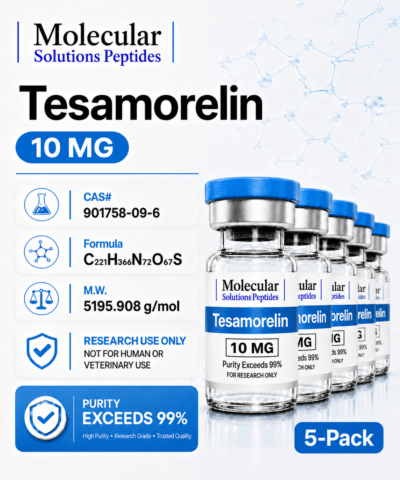
Tesamorelin (10mg) 5-Pack
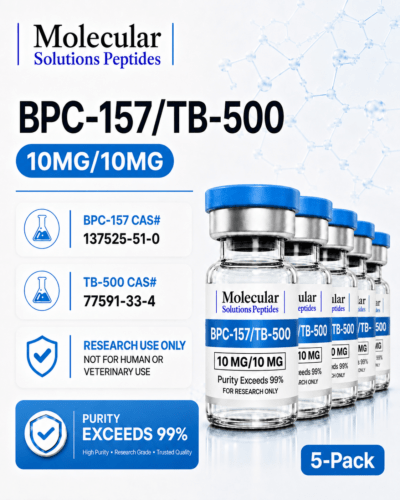
BPC-157/TB-500 "TB4" Blend (10mg/10mg) 5-pack
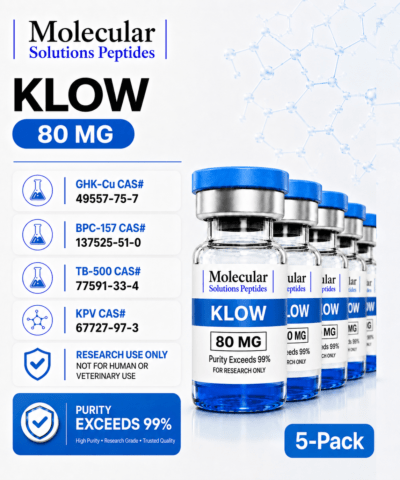
KLOW Peptide 5-Pack – 80mg (GHK-Cu 50mg / BPC-157 10mg / TB-500 10mg / KPV 10mg)
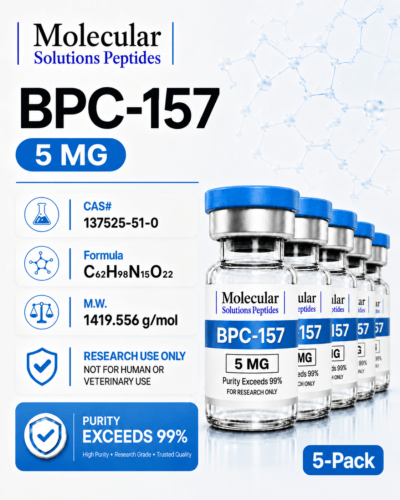
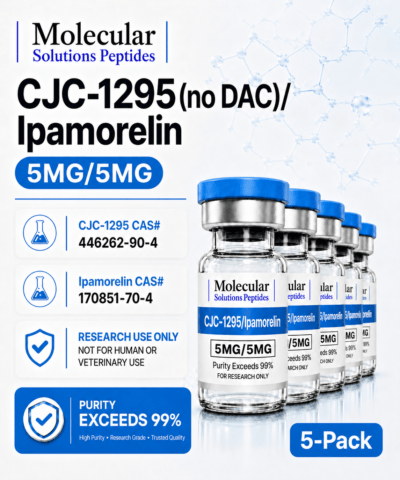
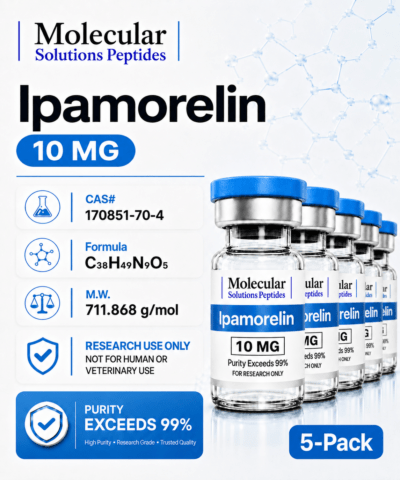
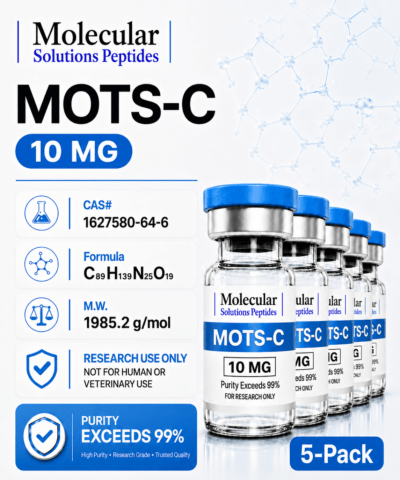
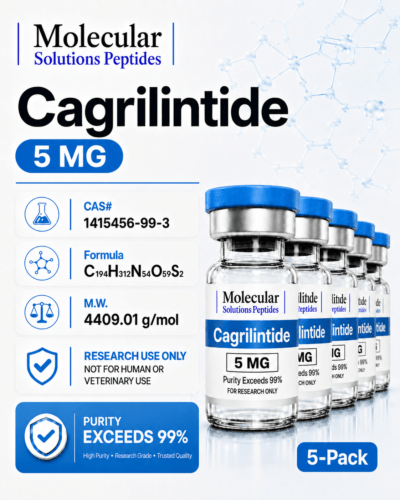
Cagrilintide (5mg) 5-Pack
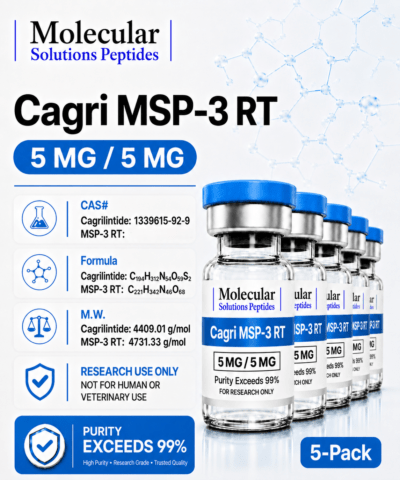
CagriMSP-3 RT Blend (10mg) 5-Pack
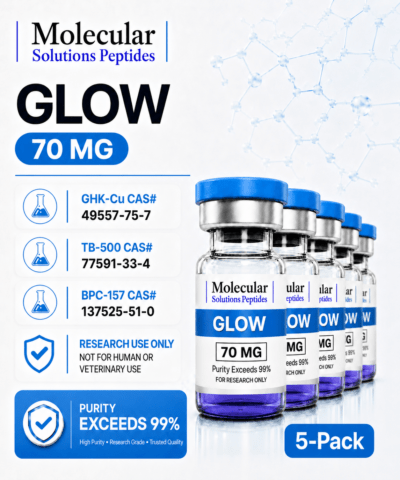
GLOW Peptide 5-Pack – 70mg (GHK-Cu 50mg / TB-500 10mg / BPC-157 10mg)
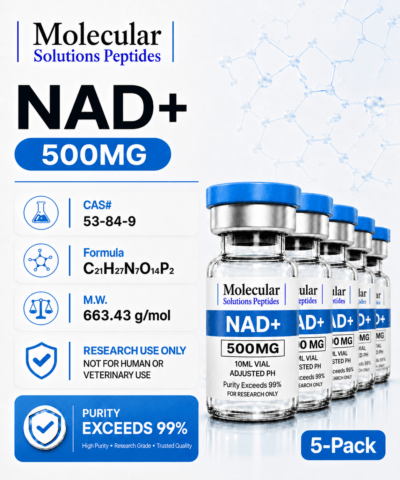
NAD+ (500mg) - 10ml vial 5-Pack (Adjusted pH)
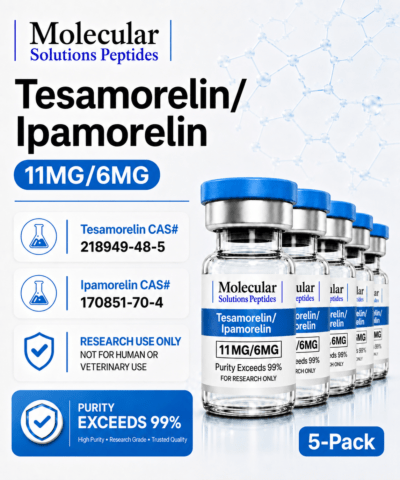
Tesamorelin/Ipamorelin Blend (11mg/6mg) 5-Pack
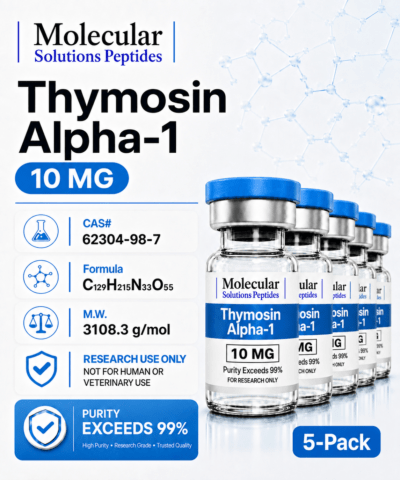
Thymosin Alpha-1 (10mg) 5-Pack
Frequently Asked Questions
What Are 5 And 10 Pack Bulk Peptides Used For In Laboratory Research?
Our 5 and 10 pack collection gives qualified researchers access to multiple units of the same research compound or formulation in one order. These formats can be useful when a laboratory project calls for repeat testing, multiple experimental runs, or consistent material across a defined research workflow. Researchers can select bulk peptides in quantities that better match the planned scope of their work while keeping product specifications the same between purchases.
Multi-Vial Research Formats
Multi-vial formats give laboratories a practical way to organize research that requires the same compound across several controlled procedures. A 5 pack may suit smaller project scopes, while a 10 pack may be more appropriate when additional units are required for repeat assays, comparative testing, or longer study schedules. Grouping units this way lets one order cover every run of a procedure that uses the same material.
How Pack Contents Are Listed
Pack listings state the quantity per vial and the number of vials included, such as 5mg per vial across five vials. Product pages also identify the container and presentation, which for many compounds is a lyophilized powder supplied in a glass vial, along with the molecular formula, molecular weight, and compound identifiers such as the PubChem CID and CAS number. Some listings also show the current batch number. These details let researchers compare available peptide packs against the requirements of their research plan and record exactly what each order contains.
Consistency Across Extended Research Workflows
When a project involves repeated laboratory procedures, consistency in sourcing and product specifications becomes especially important. Selecting multiple units from the same product offering can simplify material planning and reduce unnecessary variation between separate purchasing cycles. Ordering a pack also gives researchers one product listing and one set of specifications to record for every unit in the order, which keeps sourcing documentation simple across a long project.
Which Peptide Packs Are Available In MSP’s 5 And 10 Pack Collection?
Our 5 and 10 pack collection includes a range of research materials offered in multi-unit formats for qualified laboratory customers. The selection covers individual research peptides as well as defined multi-compound formulations, allowing researchers to compare options according to the scope and structure of the planned research. Because specifications vary across the collection, reviewing the individual product page is important before selecting any peptide packs.
Individual Research Peptides
Researchers can find multi-pack options for individual compounds such as BPC-157, GHK-Cu, Ipamorelin, MOTS-C, Cagrilintide, Tesamorelin, and other materials represented across our broader Research Peptides catalog. These products are supplied as research-use-only materials with product-specific specifications clearly identified on their respective pages. When comparing individual compounds, researchers should confirm the listed identity, quantity, format, and available batch information.
Research Blends In Pack Format
The collection also includes defined research blends such as BPC-157/TB-500, Tesamorelin/Ipamorelin, CJC-1295 (no DAC)/Ipamorelin, and other multi-compound formulations available in 5 pack configurations. These products are intended for laboratory studies designed around the specific composition stated on the product page. Multi-compound packs such as the GLOW blend list the amount of each component per vial, for example GHK-Cu 50mg, TB-500 10mg, and BPC-157 10mg in a 70mg total. Researchers evaluating blends should review each listed component and formulation carefully.
Different Quantities And Specifications
Not every product in the collection is offered in exactly the same quantity or specification, so the product listing should remain the primary reference when making a selection. Depending on the compound, researchers may encounter different stated amounts, formulations, or pack configurations. We keep these distinctions visible so researchers can evaluate the material against specific laboratory requirements before ordering. MOTS-C, for example, is listed as both a 10mg and a 40mg 5 pack, and Cagrilintide as both a 5mg and a 10mg 5 pack. Comparing per-vial amounts across these listings is part of matching a pack to the material requirements of a study.
How Should Researchers Compare 5 Packs And 10 Packs For Their Research Needs?
Choosing between a 5 pack and a 10 pack starts with the planned laboratory work. Both formats follow the same research-use-only standards and testing process, so the decision comes down to how much material the work requires. Research design, storage planning, documentation, and anticipated repeat procedures can all affect which pack size makes sense for a given project. Before ordering, researchers should compare the pack size against the actual structure of the study.
Required Vial Quantity
The first consideration is how many units the project is expected to require from start to finish. Mapping each planned procedure, control, and repeat run to a vial count gives researchers a working total to compare against the 5 pack and 10 pack formats. Planning vial quantities in advance makes it easier to document which materials were allocated to specific stages of the project. Building in a margin for repeat runs or replacement controls can help a study stay on one listing through completion. Researchers working within a fixed procurement budget can use the same count to decide between one 10 pack and two 5 packs.
Compound Specifications
Pack size should always be evaluated alongside the actual product specifications. Two peptide packs may contain the same number of vials but differ in compound identity, stated quantity, formulation, or other listed characteristics. Multiplying the listed per-vial quantity by the pack size gives researchers the total material on hand for each order. Researchers should confirm that the material matches the intended laboratory protocol.
Pack Size Availability By Compound
Pack sizes are set at the product level, so not every compound is listed in both formats. Most listings in this collection are 5 packs, with 10 pack options offered for selected compounds. Researchers planning around a 10 pack should confirm that the specific compound and quantity they need is listed in that format before building a study schedule around it. When a compound is listed only as a 5 pack, ordering more than one pack of the same listing is an option, and recording the listed batch number for each pack keeps units from separate packs traceable in study records.
How Does MSP Verify The Quality of Bulk Peptides And Multi-Pack Products?
Quality verification matters when researchers are sourcing bulk peptides for laboratory work, especially when multiple units may be used across repeated procedures or extended study timelines. We approach quality control through small-batch handling, independent testing, and clear product information. These standards are stated on our site before sign-in, so researchers can review them before creating an account. Researchers reviewing our 5 and 10 pack collection can evaluate several quality factors before placing an order.
Independent Third-Party Testing
We send samples from every batch to independent third-party laboratories for verification. Testing includes purity, quantification, sterility, and identity checks. This outside verification provides researchers with an additional layer of information when evaluating a product for laboratory use and helps keep quality assessment separate from internal production or fulfillment processes. The testing scope is the same for every batch, so results can be compared across separate orders of the same compound.
Purity And Identity Verification
Purity and identity are central considerations when selecting research materials because both define the material that enters a controlled study design. We target 99%+ purity, with a goal of greater than 99.5%, while also verifying that the material corresponds with its stated identity. Lab results are posted for every batch, so researchers can review the documented purity and identity results for the material they order.
Small-Batch Quality Standards
Our small-batch approach allows us to keep closer oversight on sourcing, testing, and product handling across the catalog. That matters for multi-pack orders because researchers may be relying on several units of the same material within one project. Grouping products by identifiable batch also lets researchers tie each pack in an order to its own testing results. We pair small-batch controls with independent verification so every pack in this collection is backed by documented, batch-level testing.
What Should Researchers Consider When Comparing Individual Peptides And Peptide Blends?
Individual peptides and multi-compound formulations serve different roles in laboratory research, so the right choice depends on how the study is structured. Researchers should compare composition, stated specifications, and the purpose of the experimental design before selecting a material from the 5 and 10 pack collection. The most useful distinction is whether the protocol calls for one defined compound or a formulation containing multiple research materials.
Single-Compound Research Materials
Individual peptides may be appropriate when a study is designed around one clearly identified compound. This can simplify experimental planning because the material being examined is defined by a single listed research ingredient. A single-compound pack also keeps documentation straightforward, since each vial corresponds to one listed identity, molecular formula, and batch number. We maintain a broader catalog of individual research materials for laboratories that need to compare compounds outside the multi-pack collection.
Multi-Compound Research Formulations
Peptide Blends combine more than one specified research compound within a defined formulation. These products may be relevant to research designs that intentionally examine a listed combination. Selecting a blend pack means committing to that combination and its stated ratio for every vial in the order.Blends should not be treated as interchangeable with individual compounds, since composition is a core part of study design and material selection.
Matching Product Specifications To Study Design
The best choice is the product whose listed specifications align with the planned laboratory protocol. Researchers should compare identity, formulation, quantity, pack size, and available quality information. We also offer other research formats, including Peptide Capsules, so laboratories can compare format options across the catalog while keeping each material within its stated research-use-only context. For multi-phase projects, noting the pack size and per-vial amount for each phase helps match every order to the stage of work it supports.
What Should Researchers Know Before Ordering 5 And 10 Pack Research Peptides From MSP?
Before ordering multi-pack research materials, qualified researchers should review the product specifications, research-use restrictions, testing information, fulfillment details, and applicable store policies before completing a purchase. We keep those details visible so researchers can evaluate both the material and the purchasing process before an order is placed.
Research-Use-Only Requirements
Every product in the 5 and 10 pack collection is intended strictly for laboratory research use. The account registration form also includes an optional EIN field. Customers must be at least 21 years old and understand the hazards associated with handling research materials. Account creation also includes confirming that all applicable laws and safety standards will be followed. Before purchasing, researchers should review our RUO Policy carefully so the intended use, handling expectations, and restrictions are clear before any material is ordered.
Product And Batch Information
Product information, the cart, and checkout tools are available after signing in to a customer account. Batch-specific information can provide useful context when assessing purity, identity, quantification, sterility, and other verified characteristics. Where a listing names its current batch, researchers can match that identifier to the posted lab results. Each product in this collection is supplied with a COA, which researchers can file with their purchasing records for the order.
Ordering And Domestic Fulfillment
We fulfill research orders domestically and maintain clear store policies so researchers can review expectations before checkout. Most eligible orders placed before the site cutoff ship the same day, subject to current fulfillment conditions and policy terms. For multi-pack purchases, reviewing shipping information alongside product availability can help laboratories plan procurement more accurately, particularly when materials are being ordered for scheduled research workflows. Our team is also available by call or text to help with order questions before or after checkout.
All products listed on Molecular Solutions Peptides are sold exclusively for research and laboratory use.
For laboratory research use only. Not for human consumption. See our RUO Policy for full terms.