In recent years, research into peptides has advanced rapidly, uncovering fascinating possibilities for their role in cellular processes and tissue regeneration. Among the most studied are BPC-157 and TB-500, two peptides that have drawn considerable attention for their potential to influence recovery and repair mechanisms at the cellular level.
When examined together, these compounds appear to work in complementary ways, suggesting that their combined action could be valuable for further research into tissue regeneration and recovery. It is important to note that these peptides are intended for laboratory research use only and are not for human use.
The Scientific Background of BPC-157
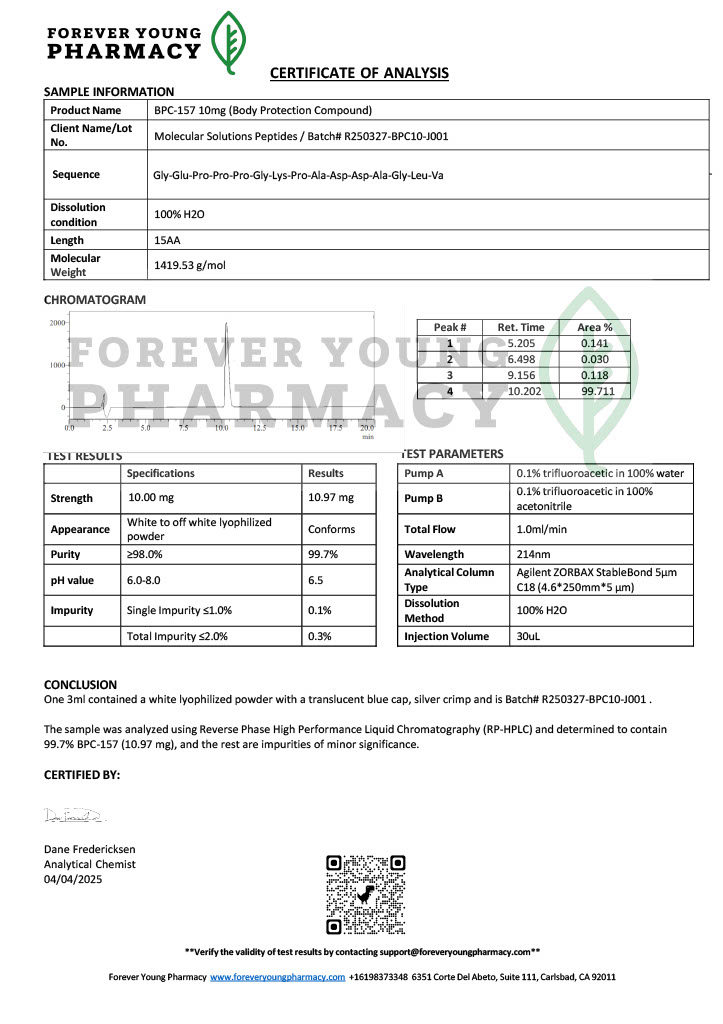
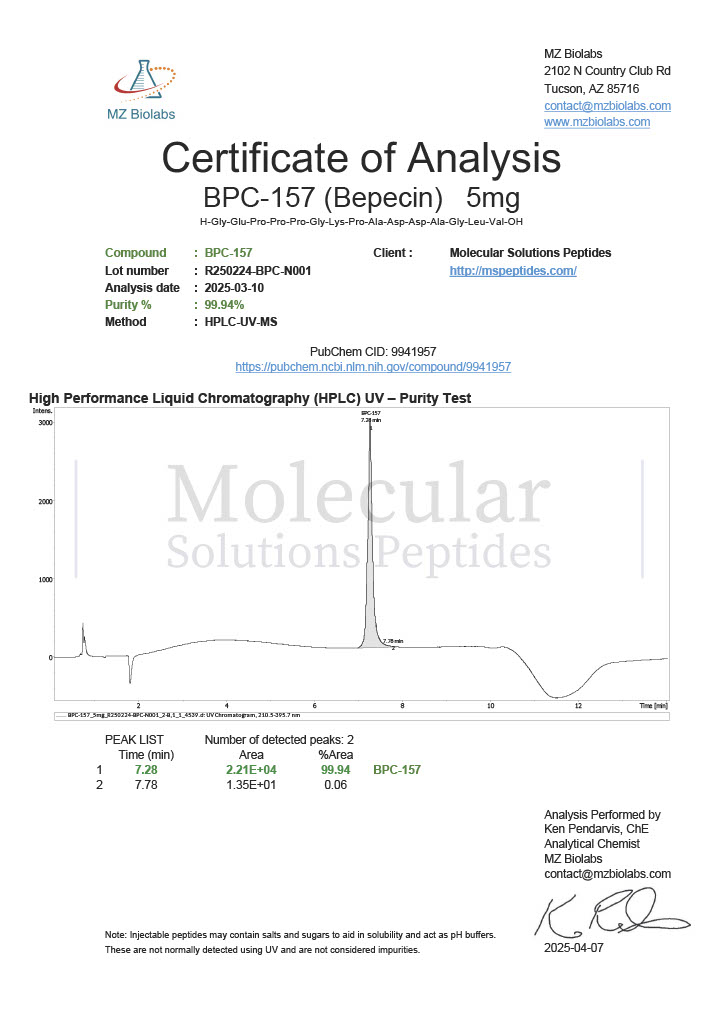
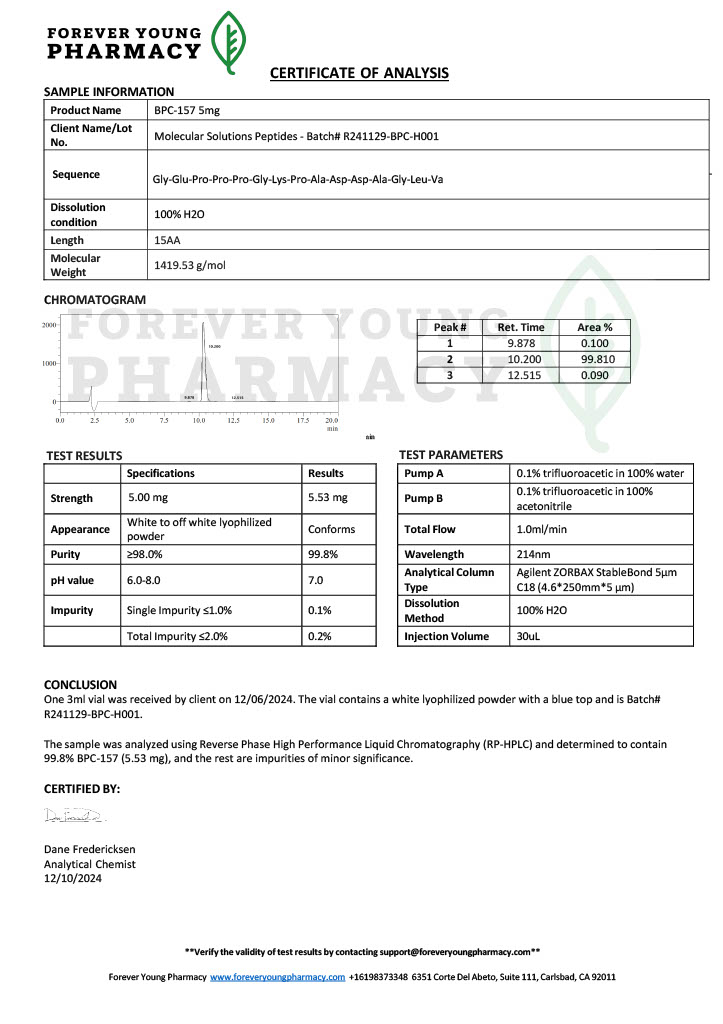
BPC-157 is a synthetic peptide derived from a naturally occurring protein found in the stomach. Over the years, it has been studied in a variety of laboratory settings for its potential regenerative and protective effects. Research has primarily focused on how this peptide interacts with tissues such as muscle, tendons, ligaments, and the gastrointestinal tract.
Laboratory studies have indicated that BPC-157 may influence angiogenesis, the process by which new blood vessels form. This function is of particular interest to researchers examining how blood flow and nutrient delivery affect tissue repair. Other studies have suggested that BPC-157 could play a role in fibroblast activity, which is important in forming new connective tissue during healing. These findings have led scientists to continue exploring BPC-157’s role in promoting cellular recovery mechanisms and its possible interaction with other regenerative peptides.
Understanding TB-500 and Its Mechanisms
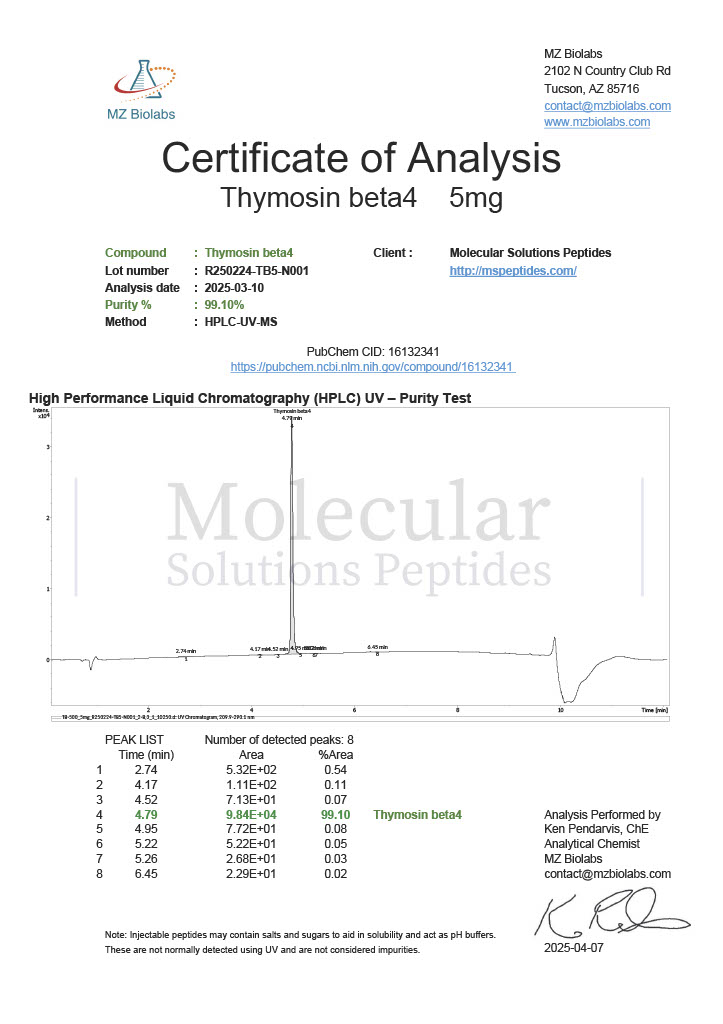
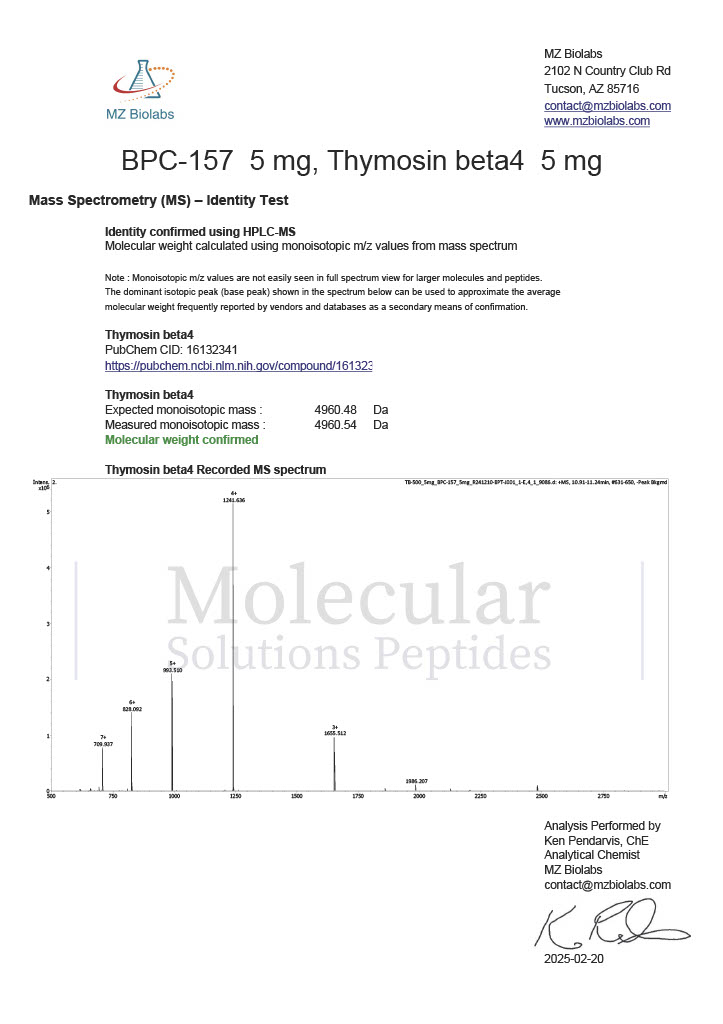
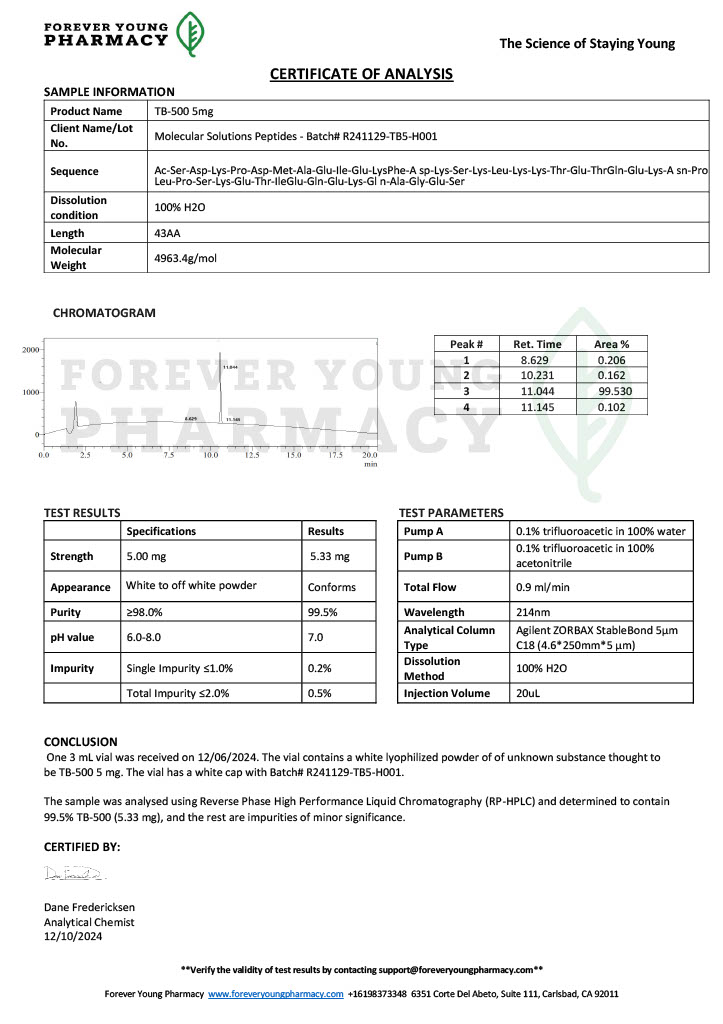
TB-500, also known as Thymosin Beta-4, is a synthetic version of a peptide found naturally in almost all human and animal cells. This peptide has been widely studied for its role in cell migration, wound healing, and the formation of new blood vessels. It is believed to help regulate actin, a protein that is critical for cell movement and structure.
Because of its involvement in actin binding, TB-500 has been of great interest in studies involving tissue regeneration. Researchers have noted that this peptide may support cellular communication and mobility, which are essential for repairing damaged tissues. In experimental environments, TB-500 has been shown to influence the activity of stem cells and other repair-associated cells, making it a key focus for those studying regenerative biology.
Complementary Research Between BPC-157 and TB-500
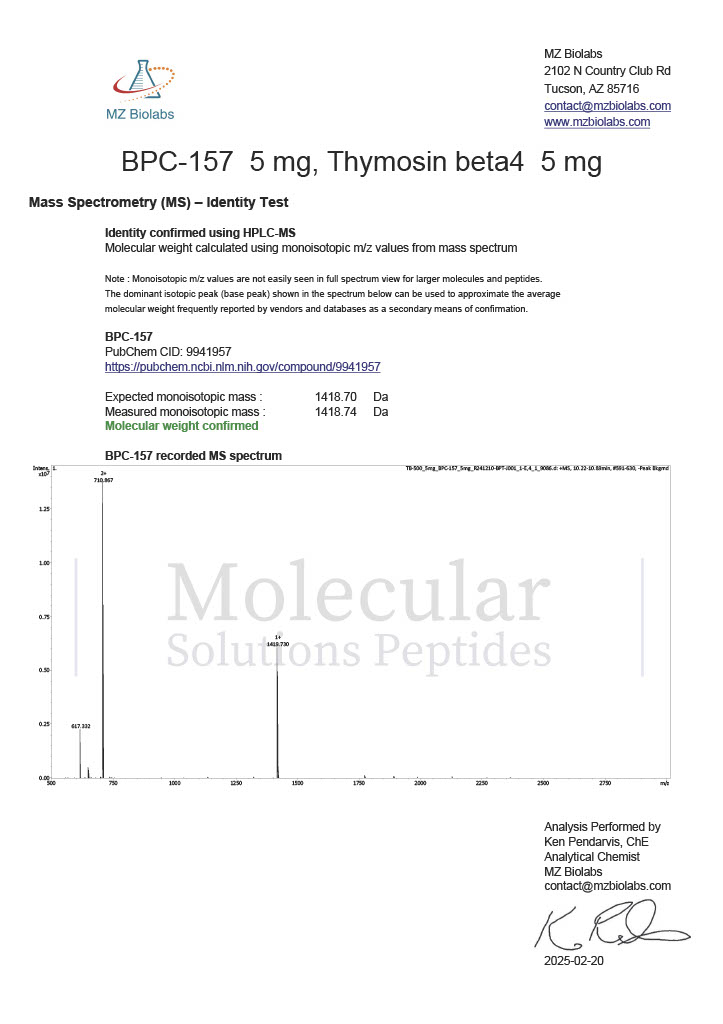
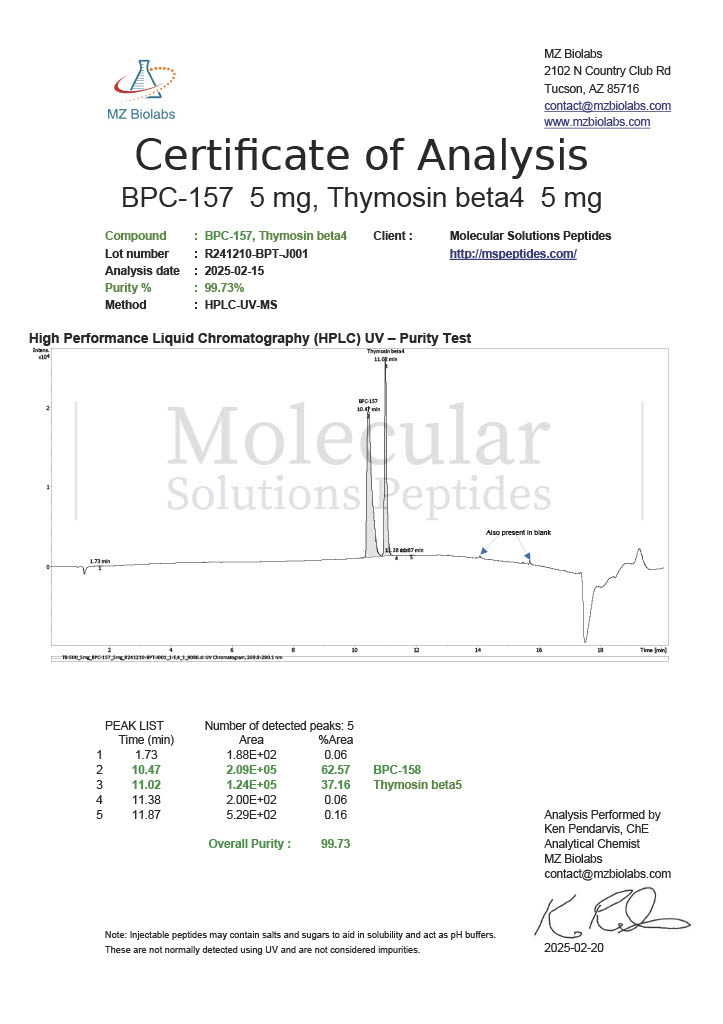
While both BPC-157 and TB-500 have been studied independently, more recent research has explored how these peptides might work together. The combination of these compounds, such as in the BPC-157 / TB-500 Blend (5mg/5mg), is particularly interesting for scientists looking into synergistic recovery pathways.
BPC-157 has been noted for its potential to support tissue protection and repair, while TB-500 is often associated with improving cell migration and blood vessel formation. When studied together, researchers have observed that these peptides may influence complementary aspects of the recovery process. BPC-157’s effects on tissue stability and TB-500’s involvement in cellular movement could, in theory, create an ideal environment for regeneration.
These combined properties have prompted continued investigation into how BPC-157 and TB-500 might interact within complex biological systems. Some research models have focused on musculoskeletal tissue, while others have examined vascular and epithelial tissues. Across different experimental frameworks, this peptide combination has been proposed as a valuable model for studying how the body’s natural healing processes can be supported at a cellular level.
Why Researchers Study These Peptides Together
The interest in studying BPC-157 and TB-500 together stems from how each peptide addresses different phases of the repair process. BPC-157 has been observed in research to potentially protect existing tissues and enhance the initial healing response. TB-500, by contrast, appears to influence the migration of cells to the damaged area and the formation of new vascular networks.
In combination, the peptides may present a unique model for examining the entire tissue repair cycle: from the early inflammatory phase to later stages of regeneration. This makes the BPC-157 / TB-500 blend a compelling option for scientists seeking to deepen their understanding of recovery mechanisms in biological systems.
By studying these peptides together, researchers can gain insight into how cellular signals interact during recovery. The potential synergy between BPC-157’s protective effects and TB-500’s cell-mobilizing properties continues to generate interest among those studying regenerative medicine and molecular biology.
The Future of Peptide Research
Although research into BPC-157 and TB-500 is still evolving, the findings so far have been promising. Scientists continue to investigate how these peptides function individually and together to better understand their mechanisms of action. Future studies may provide even more detailed insight into how they influence tissue repair, inflammation response, and cellular communication.
It is important to reiterate that these peptides are for laboratory research use only and not for human consumption or application. Their purpose is to support controlled scientific studies designed to explore biological mechanisms, not to diagnose, treat, or prevent any condition.
As peptide research progresses, combinations such as BPC-157/TB-500 are expected to remain a focal point for those seeking to uncover new information about the body’s natural regenerative processes. By advancing our understanding of these mechanisms, researchers contribute to a growing field that could influence future innovations in biotechnology and cellular science.
Disclaimer: All products on this site are for Research, Development use only. Products are Not for Human use of any kind. The statements made within this website have not been evaluated by the US Food and Drug Administration. The statements and the products of this company are not intended to diagnose, treat, cure or prevent any disease.