Research into metabolic regulation has advanced significantly over the past decade, and one of the most active areas of study involves the use of peptides as tools to explore fat metabolism. Scientists continue to investigate how certain peptide structures interact with receptors, enzymes, and cellular pathways that influence lipid breakdown, energy expenditure, and mitochondrial efficiency.
While these compounds are often discussed publicly in a commercial context, their value in controlled laboratory environments stems from their ability to help researchers better understand how the body manages stored fat at a molecular level.
Peptides are short chains of amino acids, and their structural diversity gives researchers an extensive platform for studying biochemical responses. When probing questions related to lipolysis, energy signaling, or thermogenic activity, peptides can serve as investigative agents that reveal how biological systems respond to changes in substrate availability and energy requirements.
Understanding Lipolysis and Why Peptides Are Useful Research Tools
Lipolysis is the breakdown of stored triglycerides into free fatty acids and glycerol. This process is tightly controlled by hormones, enzymes, and intracellular signaling networks. When lipid stores are mobilized in laboratory experiments, scientists can observe how various molecules influence energy balance at a cellular level.
Peptides are particularly valuable tools in this context because they can be designed or selected to bind specific receptors or activate particular biochemical pathways. Their modular structure makes them adaptable, and advances in peptide synthesis allow researchers to explore structure function relationships with precision. Through controlled experimentation, peptides help scientists observe how metabolic pathways shift under different conditions.
In many studies that attempt to determine the best peptides for fat loss research applications, investigators evaluate both direct and indirect effects on lipid metabolism. Direct effects refer to interactions that stimulate enzymes involved in lipolysis. Indirect effects involve pathways that regulate mitochondrial activity, thermogenesis, or growth factor signaling.
Hormonal Signaling Pathways Examined in Peptide Driven Research
A major focus of metabolic research involves pathways influenced by growth hormone related peptides. These studies do not evaluate compounds for therapeutic use but instead focus on how peptides alter experimental variables in controlled environments.
One of the most studied pathways is the activation of adenylate cyclase. When certain peptides bind receptors linked to this enzyme, cyclic AMP levels rise. This increase triggers protein kinase A, which plays a major role in the activation of hormone sensitive lipase. Once hormone sensitive lipase is activated in an experimental model, stored triglycerides begin breaking down into free fatty acids that can be oxidized for energy.
Another important pathway involves AMPK, a regulatory enzyme that senses cellular energy status. Some peptides used in research appear to activate or influence this enzyme, allowing investigators to explore how energy balance might shift under stressful or low nutrient conditions. By studying AMPK activation, researchers can observe changes in fatty acid oxidation rates and mitochondrial function.
Because multiple peptides may influence these pathways, scientists often catalog their findings to determine which compounds are the best peptides for fat loss related experiments. This cataloging is based solely on observed biochemical results and does not imply suitability for application outside the laboratory.
Mitochondrial Activity and Peptide Based Research
Beyond surface level metabolic signaling, researchers also use peptides to explore mitochondrial mechanisms. The mitochondria control ATP production and regulate oxidative metabolism, making them central to energy expenditure studies.
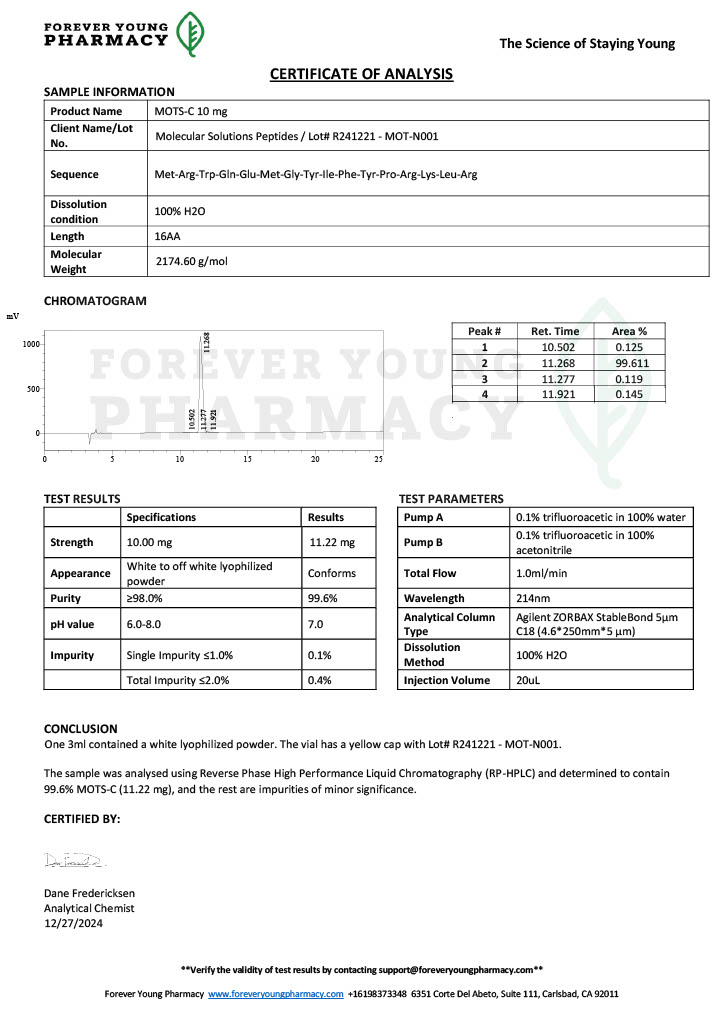
Mitochondrial peptides, including those encoded within mitochondrial DNA, have grown in popularity among researchers due to their potential influence on mitochondrial stress responses and energy production. When used in laboratory settings, these peptides can provide insights into how cells adapt their energy output under various conditions.
For example, studies involving mitochondrial derived peptides often track changes in oxygen consumption rates, mitochondrial biogenesis, and fatty acid oxidation. By evaluating fluctuations in these measures, scientists build a clearer picture of how energy metabolism operates. This type of research helps refine the understanding of which compounds may be among the best peptides for fat loss experimentation in a laboratory setting.
Peptides That Influence Brown Adipose Activity in Research Models
Brown adipose tissue is a subject of growing interest because of its thermogenic capacity. Unlike white adipose tissue, which primarily stores fat, brown adipose tissue burns energy to produce heat.
Certain peptides appear to influence brown adipose activity when tested in experimental models. Scientists may observe increases in uncoupling protein expression, changes in mitochondrial density, or altered metabolic heat output. By examining these variables, researchers gain a better understanding of how thermogenic pathways are regulated at the molecular level.
These studies do not evaluate peptides for effects in humans but instead use them as investigative systems to uncover how brown fat responds to specific metabolic triggers. When discussing the best peptides for fat loss in scientific literature, brown fat related pathways often appear due to their central role in energy expenditure models.
Receptor Binding and Structure Function Relationships
One of the most productive areas of peptide research involves structure function analysis. Peptides can be modified by substituting amino acids, altering chain length, or adjusting terminal groups. These modifications help researchers pinpoint which structural characteristics lead to stronger receptor binding or more pronounced signaling effects.
For example, in studies examining lipolysis, a small structural change in a peptide may strengthen its interaction with a receptor that influences fat metabolism. Researchers may then compare variants to determine which configuration triggers the most robust signaling cascade.
This systematic approach contributes to the ongoing identification of the best peptides for fat loss research applications. Again, this designation is purely a reference to experimental results and not an endorsement of suitability outside controlled research settings.
Limitations and Considerations in Peptide Based Lipolysis Research
While peptide research is promising, it also presents challenges. Peptides may degrade quickly, resulting in shorter periods of measurable activity. Delivery methods can influence results because peptides do not always cross cell membranes easily. Researchers must consider enzyme activity, peptide stability, and degradation pathways when designing studies.
Variability among laboratory models can also influence findings. What works efficiently in a cell line may not produce the same results in an animal model. Likewise, environmental factors such as temperature, nutrient density, and stress levels can alter metabolic outcomes.
These limitations highlight the need for rigorous study design and replication. They also explain why researchers are cautious when labeling any compound as one of the best peptides for fat loss research. Findings must be repeatedly validated to ensure reliability.
The Future of Peptide Driven Lipolysis Research
As technology advances, peptide research is becoming more precise. High throughput screening, computational modeling, and peptide libraries allow researchers to examine thousands of variants efficiently. Machine learning tools are now helping scientists predict which structures may be most effective for specific experimental outcomes.
Future studies will likely continue focusing on lipolysis pathways, mitochondrial regulation, thermogenesis, and receptor interactions. By expanding the understanding of how peptides influence these systems, researchers gain deeper insights into fundamental biological processes related to fat metabolism.
The continued refinement of peptide research techniques will make it easier to parse complex metabolic networks. Over time, this information will contribute to a more detailed understanding of cellular energy regulation and the intricate biochemical steps involved in lipid breakdown.
Disclaimer: All products on this site are for Research, Development use only. Products are Not for Human use of any kind. The statements made within this website have not been evaluated by the US Food and Drug Administration. The statements and the products of this company are not intended to diagnose, treat, cure or prevent any disease.